


Toronto. 11 Feb, Wednesday

Lewis Hamilton and Leonardo DiCaprio’s Neat Burger: Big Ambitions, Tough Realities

Sir Lewis Hamilton and Leonardo DiCaprio joined forces to back Neat Burger, a vegan fast-food chain aiming to revolutionize the way people eat. As reported by The Sun, Hamilton, who adopted a vegan lifestyle in 2017, co-founded Neat Burger in 2019 to offer tasty plant-based alternatives to traditional fast food. The goal was clear: to create a mainstream dining option that could attract not just vegans but a much wider audience interested in more sustainable eating habits.

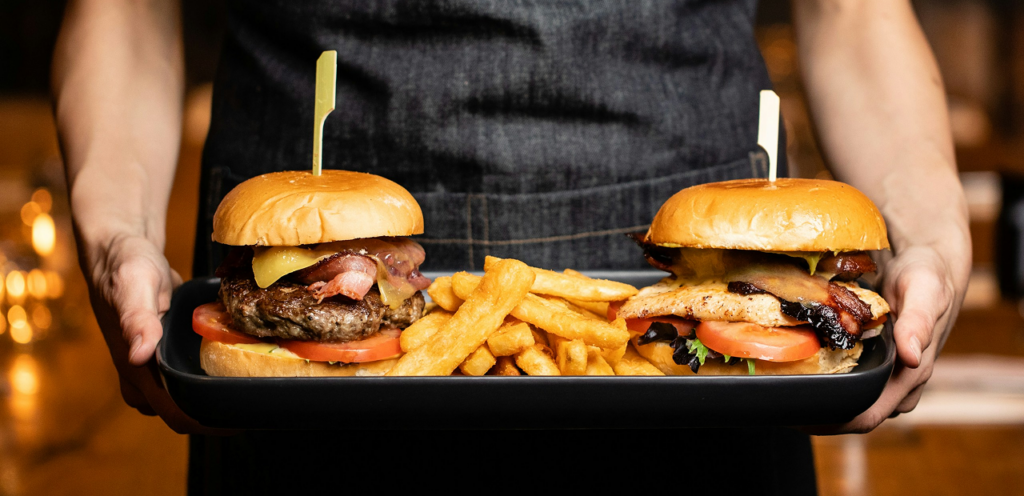
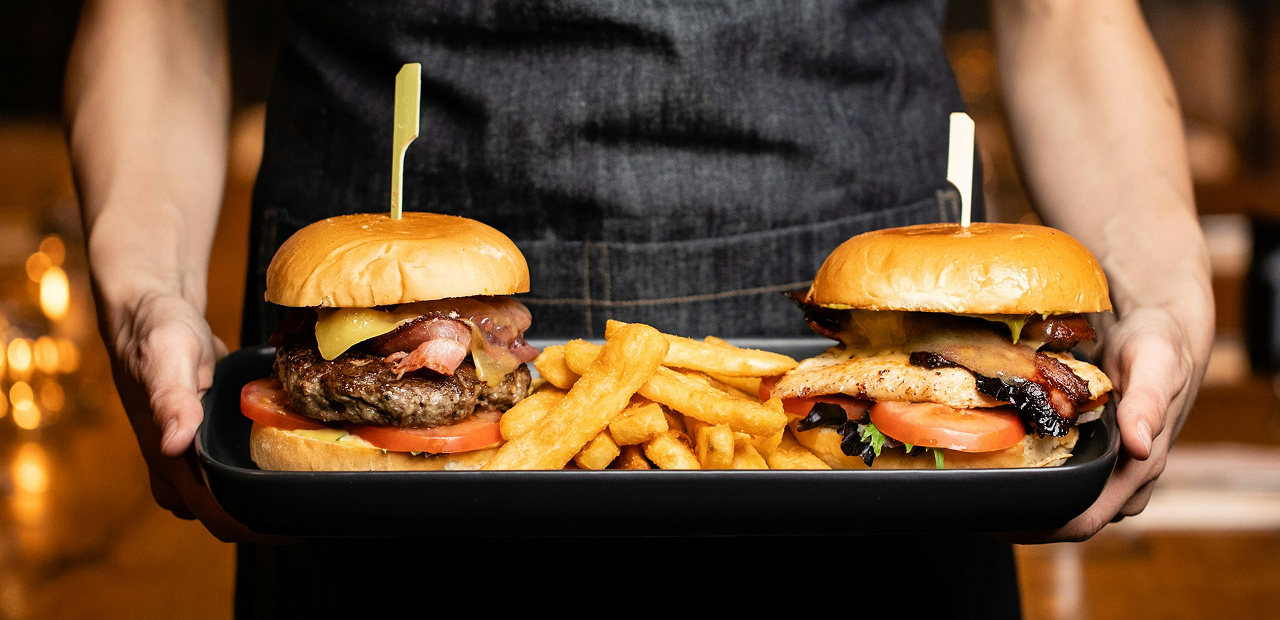
Neat Burger served a range of plant-based offerings, including smash burgers, tater tots, and dairy-free milkshakes. The brand positioned itself as a fun, indulgent, and accessible alternative to traditional burger chains, distinguishing itself from more health-focused vegan concepts. Hamilton’s passion for veganism and DiCaprio’s commitment to environmental causes added credibility and celebrity appeal to the brand’s image. DiCaprio praised Neat Burger for “pioneering” the plant-based food space and helping promote a positive environmental impact for future generations.

Building on its early success, Neat Burger had ambitious expansion plans. After opening its first outlets in London, including a popular location in the bustling Soho district, the company set its sights on a global footprint. It announced plans to open 30 new sites worldwide, with targets including the United States, Italy, and the Middle East. To test the waters internationally, a pop-up location was launched in Manhattan, New York City, with the intention of opening a full-scale permanent site soon after. This aggressive growth strategy positioned Neat Burger as a bold player within the fast-growing plant-based dining sector.

However, despite the high-profile backing and clear market momentum behind plant-based foods, Neat Burger encountered serious obstacles. According to reports from The Sun and Yahoo Finance, the company is now shutting down all of its UK locations. Financial and operational challenges proved too significant for the chain to overcome in its home market. Rising costs, operational pressures, and an increasingly competitive dining landscape placed unsustainable strain on the business, leading to the decision to exit the UK.

A spokesperson for Neat Burger emphasized that the closures do not mark the end of the brand’s ambitions. Instead, the company plans to recalibrate and focus on its international growth strategy. Expansion efforts are now centered on the United States, where the plant-based food movement continues to gain strong traction, as well as in Italy and the Middle East. The pop-up location in Manhattan serves as a foundation for building a larger presence in New York City and beyond.

The rise and challenges of Neat Burger reflect broader realities within the plant-based food sector. While consumer interest in sustainable and ethical eating continues to grow, successfully scaling a plant-based fast-food concept remains complex. Even brands with celebrity endorsements and substantial initial investment must contend with the operational realities of running competitive, profitable locations — especially when faced with high rents, inflationary pressures, and evolving consumer preferences.

Neat Burger’s journey offers valuable lessons for the future of plant-based dining. Celebrity influence can drive brand visibility and early excitement, but long-term success still depends on sound financial management, operational efficiency, and adapting to market conditions. As the company moves forward with its international expansion plans, it will have the opportunity to learn from its UK experience and refine its model for new markets.

While Neat Burger’s story in the UK may be ending, its broader mission continues. With Hamilton and DiCaprio still supporting the brand, the next chapter will focus on translating their vision of sustainable, accessible plant-based food into global success — starting with the dynamic markets of the United States, Italy, and the Middle East.

YOU MAY ALSO LIKE