Toronto. 11 Feb, Wednesday

From Tilapia to Trade: Why Gulf Investors Should Pay Attention to West Africa’s Fish Farms

A

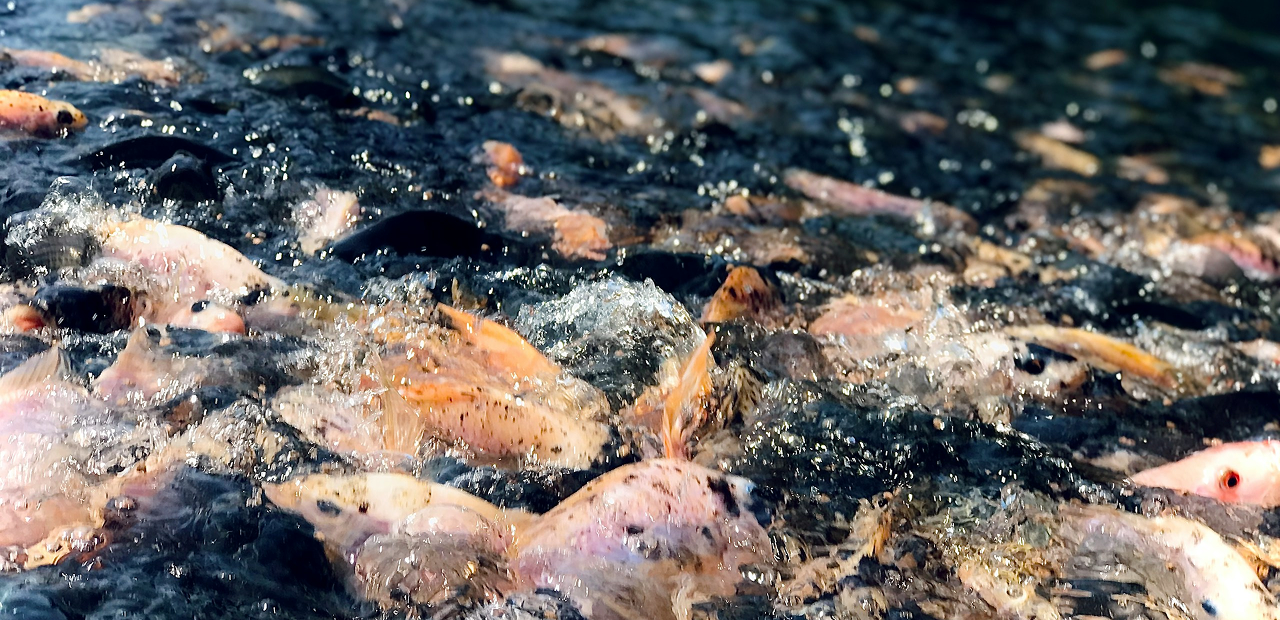
S highlighted in The Economist (2025), West Africa is increasingly embracing aquaculture as a sustainable solution to the depletion of coastal waters and an urgent response to the growing global protein demand. The region must pivot towards inland farming, particularly as wild fish stocks struggle to meet local needs. In Ghana, tilapia is not just common fare; it’s a beloved culinary staple, typically served whole and fried.
The aquaculture sector is undergoing significant transformation thanks to artificial intelligence. AI technologies, particularly predictive analytics, are reshaping how farmers operate by forecasting critical factors like water quality, disease outbreaks, and fish feeding patterns based on real-time sensor data. This proactive approach reduces mortality rates and boosts yields, marking a vital innovation for fish farmers worldwide.
Automated feeding systems enhanced by AI are revolutionizing feed distribution in aquaculture. Leveraging image recognition and behavioral analysis, these systems ensure feed allocation aligns with fish activity levels and hunger cues, which minimizes waste—one of the highest costs in the industry—while improving feed conversion ratios and increasing profitability for farmers. Beyond feeding, AI plays a crucial role in health monitoring and strategizing the timing of stocking and harvesting. With the capabilities of computer vision and machine learning, AI can identify abnormalities in fish behavior and appearance, enabling swift responses to potential health threats.
Currently, aquaculture accounts for nearly 25% of Abu Dhabi’s seafood production. The emirate is pioneering an AI-driven initiative aimed at transforming its aquaculture sector into a global model of sustainability and efficiency. The project, announced in September 2024, leverages artificial intelligence and data analytics to optimize fish farming conditions—monitoring variables like water quality, feeding cycles, and fish health in real time.
By enhancing productivity and minimizing waste, the AI system is expected to significantly boost output while ensuring environmental responsibility. Experts believe this technology can also reduce the UAE’s dependence on imported seafood and increase the competitiveness of local fisheries in international markets. This transition in aquaculture represents more than an agricultural shift for investors based in the Gulf—especially in the UAE, Saudi Arabia, and across the GCC—it marks a timely opportunity to enter a high-growth sector that aligns seamlessly with food security strategies and sustainable investment mandates backed by technology. The project is part of broader efforts under the UAE’s food security strategy and net-zero goals, setting a precedent for other Gulf states to adopt smart technologies in sustainable aquaculture, making it a potentially valuable model for regional investment and knowledge transfer
As the Gulf region navigates its historical reliance on food imports, the need to diversify its food supply chains is becoming more urgent and essential for achieving food security. Among the various potential solutions, West African aquaculture emerges as a prime candidate worth exploring and serves as a compelling case study for the region’s food diversification efforts. The geographical proximity of West African markets, compared to many Asian counterparts, provides a significant logistical advantage, facilitating more efficient trade routes and reducing transportation costs. Furthermore, the cultural connections rooted in historical trade between the Gulf and West Africa enhance the potential for collaborative efforts in developing aquaculture solutions. Currently, West Africa is experiencing a wave of rapid modernization within its aquaculture sector, characterized by scalable production techniques and innovative practices that can significantly contribute to meeting the Gulf’s food supply demands. By leveraging these advancements, the Gulf region could bolster its food supply resilience while also promoting sustainable development in West African aquaculture..


YOU MAY ALSO LIKE