Toronto. 11 Feb, Wednesday

From Lab to Bar: The Race to Reinvent Cocoa in a Warming World

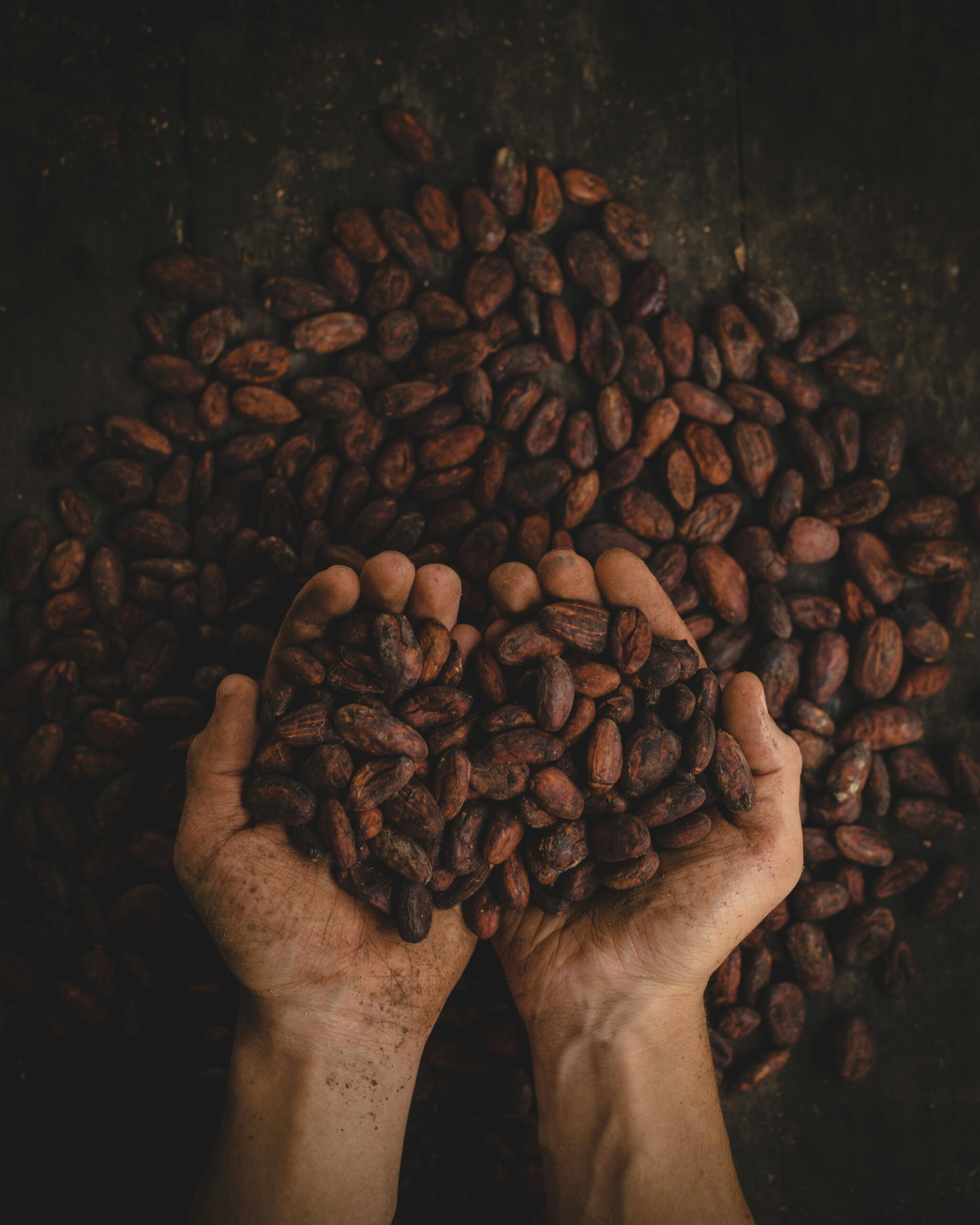
Mars, Incorporated has entered a strategic partnership with agricultural biotech firm Pairwise to advance cacao crop development using cutting-edge gene editing tools. Through a licensing agreement announced in August 2025, Mars gains access to Pairwise’s Fulcrum® CRISPR platform, including the SHARC™ enzyme, which enables precise genetic modifications to enhance plant traits.

The initiative aims to tackle pressing challenges in cacao production—such as climate stress, disease, and supply chain instability—by accelerating the breeding of more resilient and productive cacao varieties. Mars says the collaboration reflects its commitment to responsibly leveraging CRISPR technology to support global agriculture, while Pairwise sees the partnership as a milestone in applying plant science innovation to real-world food systems. CRISPR-Cas9, often called “genetic scissors,” is reshaping crop science by allowing precise edits to plant DNA without necessarily inserting foreign genes. Unlike traditional genetic modification, which often involves unpredictable gene insertion from other species, CRISPR can fine-tune existing traits within a plant’s own genome. This breakthrough holds promise for creating climate-resilient, high-yield crops that can meet global food demands.

Why are chocolate prices so high at the moment?

Chocolate prices are set to remain high as the global cocoa market continues to feel the effects of past disruptions. Cocoa prices surged to record levels due to poor weather, pest outbreaks, and supply shortages in West Africa, which produces around 75% of the world’s cocoa. This spike, combined with broader retail inflation, led to steep price increases for chocolate products—up 11% in the U.K. and 12% in the U.S. in 2024.

Long-term challenges persist. Experts cite chronic underinvestment and disease in Ivory Coast and Ghana, the top cocoa producers, as ongoing threats to supply. In addition, rising labour costs in the U.K. and potential tariff impacts in the U.S. could further inflate chocolate prices. The consensus: consumers should brace for continued high costs in the near future.

Is Gene Editing an answer for agriculture affected by climate change?

As climate change and disease threaten the future of cacao, scientists at the University of California, Berkeley and the Innovative Genomics Institute (IGI) are using CRISPR-Cas9 to develop cacao plants that can survive harsher conditions. Led by plant genomics director Myeong-Je Cho and agricultural genomics head Brian Staskawicz, the team is editing cacao DNA to resist viral and fungal diseases and adapt to warming, drying rainforests. This work is part of a broader effort to protect cacao, a crop that supports 40–50 million livelihoods globally, according to the World Cocoa Foundation.

The IGI, co-founded by CRISPR pioneer Jennifer Doudna, is collaborating with Mars, Incorporated, which has committed $1 billion to reducing its carbon footprint. While Mars is also working with Pairwise to accelerate cacao breeding using its Fulcrum® CRISPR platform, the IGI project focuses on transgene-free gene editing—altering existing genes without introducing foreign DNA. This approach may help avoid regulatory hurdles and improve public acceptance, as global policies on CRISPR-edited crops remain fragmented.

Cacao’s vulnerability is compounded by climate change, which is expected to shrink suitable growing areas in West Africa, where most cacao is produced. This could concentrate production in smaller regions, increasing the risk of disease spread. The IGI team hopes their work will not only protect cacao but also inform strategies for other staple crops like cassava, rice, and wheat.

With chocolate prices already soaring due to cocoa shortages, the stakes are high. CRISPR offers a promising path to safeguard cacao and stabilize supply chains, but its success will depend on clear regulation, public trust, and continued investment in sustainable agricultural innovation.

Food Tech’s Bold New Frontier

As climate change and disease threaten the future of cacao farming, scientists and startups are asking a radical question: can cocoa be grown in a lab?  With global cocoa prices tripling over the past three years—peaking at over $12,000 per tonne in December—traditional supply chains are under pressure. West Africa, which produces around 70% of the world’s cocoa, is grappling with poor farming practices, plant diseases, and increasingly erratic weather.

Lab-grown cocoa, cultivated from plant cells rather than harvested from trees, is emerging as another promising alternative. Companies like Celleste Bio in Israel and California Cultured in the U.S. are developing cell-culture techniques to produce cocoa butter and solids in controlled environments. These startups claim they’ve successfully replicated the taste and texture of dark chocolate—a particularly difficult feat due to its minimal filler ingredients.

Major chocolate brands are backing the movement. Mondelez has invested in Celleste Bio, while Barry Callebaut is partnering with Zurich University of Applied Sciences to advance cell-culture research. Japanese confectioner Meiji is supporting California Cultured’s efforts to bring lab-grown cocoa to market for use in sweets, beverages, and ice cream.

Unlike lab-grown meat, which faces regulatory hurdles and political resistance, cultivated plant cells are cheaper and may face less opposition. No lab-grown cocoa has received approval, and commercial viability is years away.

Experts believe lab-grown cocoa will supplement, not replace, traditional farming, but could help chocolate makers and consumers.

If successful, this innovation could reshape the future of chocolate and pave the way for lab-grown versions of other crops like coffee, offering resilience in a warming world.


YOU MAY ALSO LIKE