

Canada’s agricultural ambitions in the Indo-Pacific region gained new momentum this month as the Honourable Heath MacDonald, Minister of Agriculture and Agri-Food, concluded a successful trade mission to Indonesia, Singapore, and the Philippines. The mission, which included representatives from Canada’s leading agri-food sectors, focused on expanding trade, fostering innovation, and deepening partnerships in one of the world’s most dynamic regions.
The Indo-Pacific already accounts for over a quarter of Canada’s agricultural exports, and the region’s appetite for high-quality, sustainable food continues to grow. Minister MacDonald’s engagements with senior officials and industry leaders underscored Canada’s commitment to being a trusted partner in food security, sustainability, and innovation.
The mission’s stop in Singapore highlighted a growing alignment between Canadian and Singaporean priorities. In a speech at the Canada-in-Asia Conference 2025, back in February, Singapore’s Minister for Sustainability and Environment, Grace Fu, emphasized the importance of bilateral cooperation in driving innovation, investment, and sustainable trade.
Minister Fu announced that Singapore and Canada have concluded a Framework for Green Economy Cooperation, which will explore collaboration in green and low-carbon technologies, carbon pricing and carbon markets, trade and green economy initiatives and green and transition financing.
“These topics resonate with me,” Minister Fu said, “as I get to see such interconnections in my work across the two ministries that I’m in.” She also highlighted Singapore’s strategic role as a hub for robust trade and supply chains, offering Canada a valuable gateway to the broader Indo-Pacific.
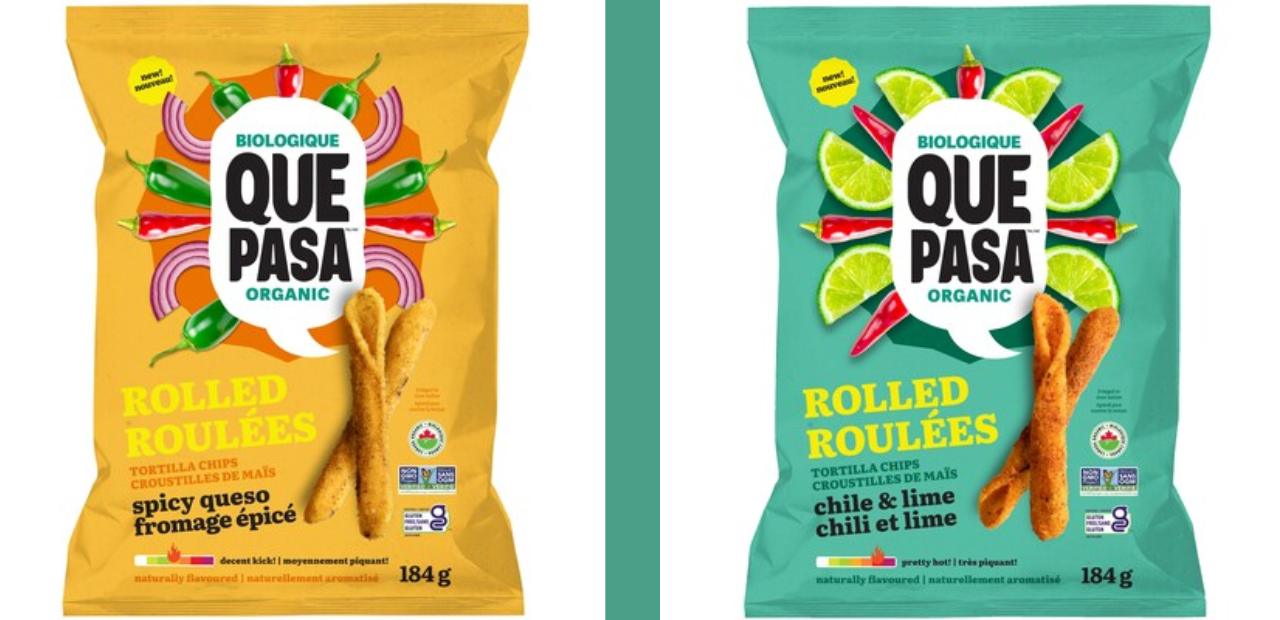
Canadian industry leaders who joined the mission praised the government’s proactive approach. From cereals and soy to beef, pork, and plant-based proteins, the delegation represented a cross-section of Canada’s agri-food excellence.
“Meeting customers and their governments face to face delivers what our customers need,” said Brian Innes of Soy Canada. “When we deliver value for customers, we deliver value for farmers and the entire soy value chain.”
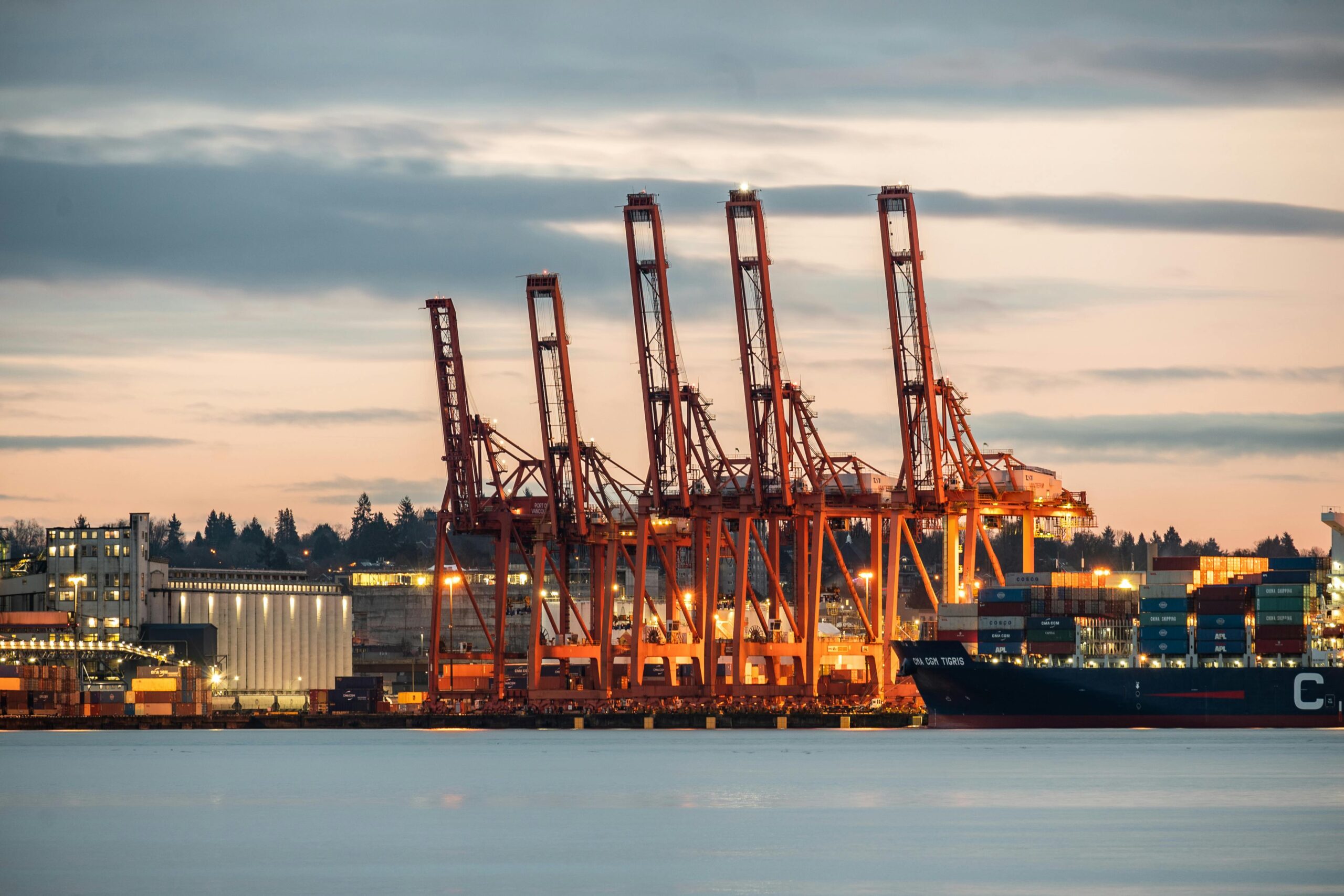
Dean Dias of Cereals Canada emphasized the importance of the Indo-Pacific Agriculture and Agri-Food Office in supporting trade logistics and regulatory alignment. “It helps uphold Canada’s reputation for clean, consistent cargos,” he noted.
Robert Hunter of Protein Industries Canada pointed to the region’s growing demand for sustainable protein. “By working with partners across the region, we can build lasting trade and business relationships that benefit both Canadians and Indo-Pacific consumers.”
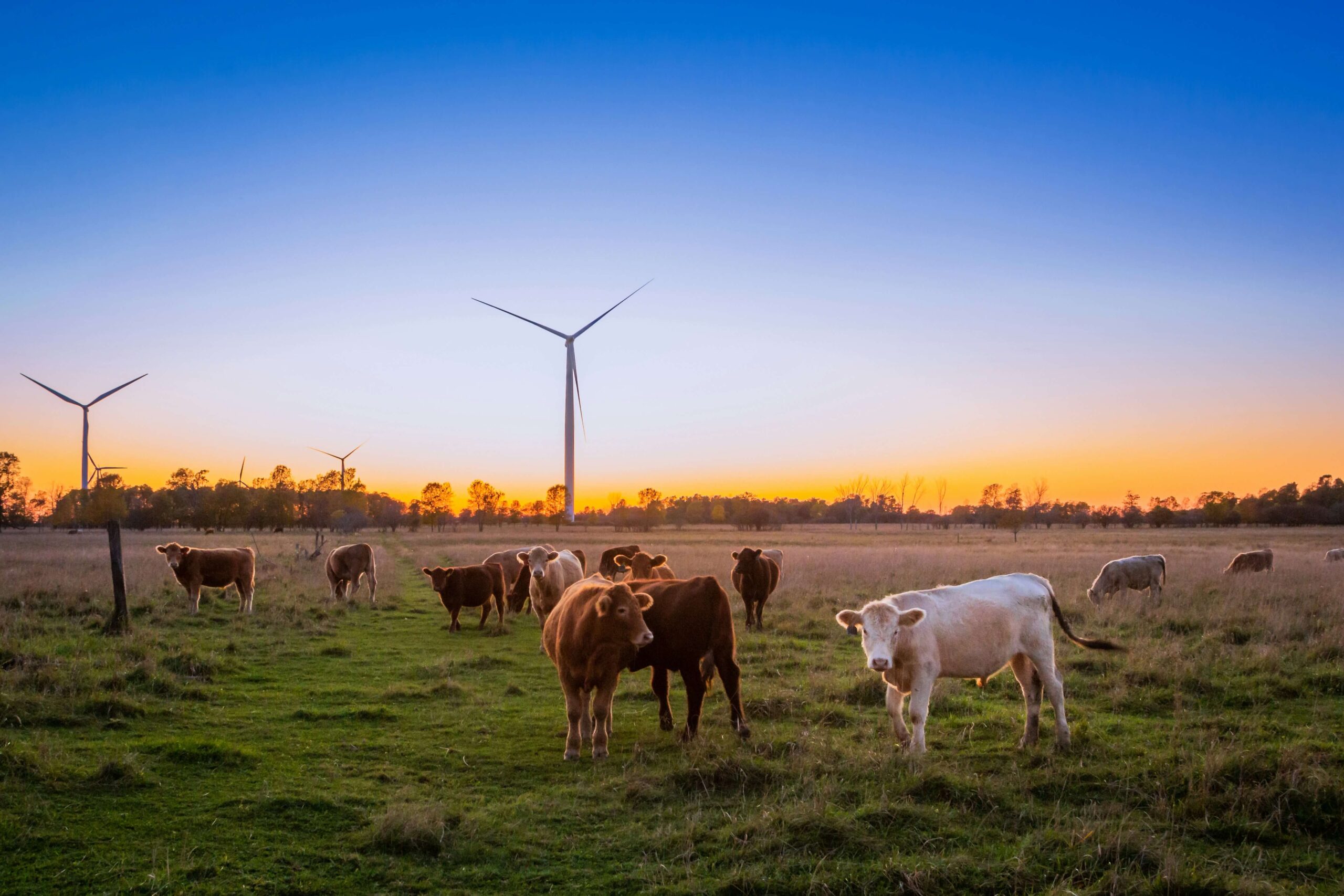
Minister MacDonald’s mission is part of Canada’s broader Indo-Pacific Strategy, launched in 2022, which prioritizes inclusive growth, sustainability, and a rules-based international order. The strategy reflects Canada’s long-term commitment to building resilient supply chains and sustainable food systems in partnership with Indo-Pacific economies. The Indo-Pacific comprises 40 countries and economies.
“Our farmers and food processors work tirelessly to produce reliable, high-quality, and safe food,” said Minister MacDonald. “We’re focused on creating more opportunities for them by increasing and diversifying our exports and raising the profile of the Canada Brand worldwide.”
As Canada and Indo-Pacific countries deepen their collaboration, and as Canadian agri-food leaders continue to build trust across Southeast Asia, the Indo-Pacific is poised to become a cornerstone of Canada’s global trade future.