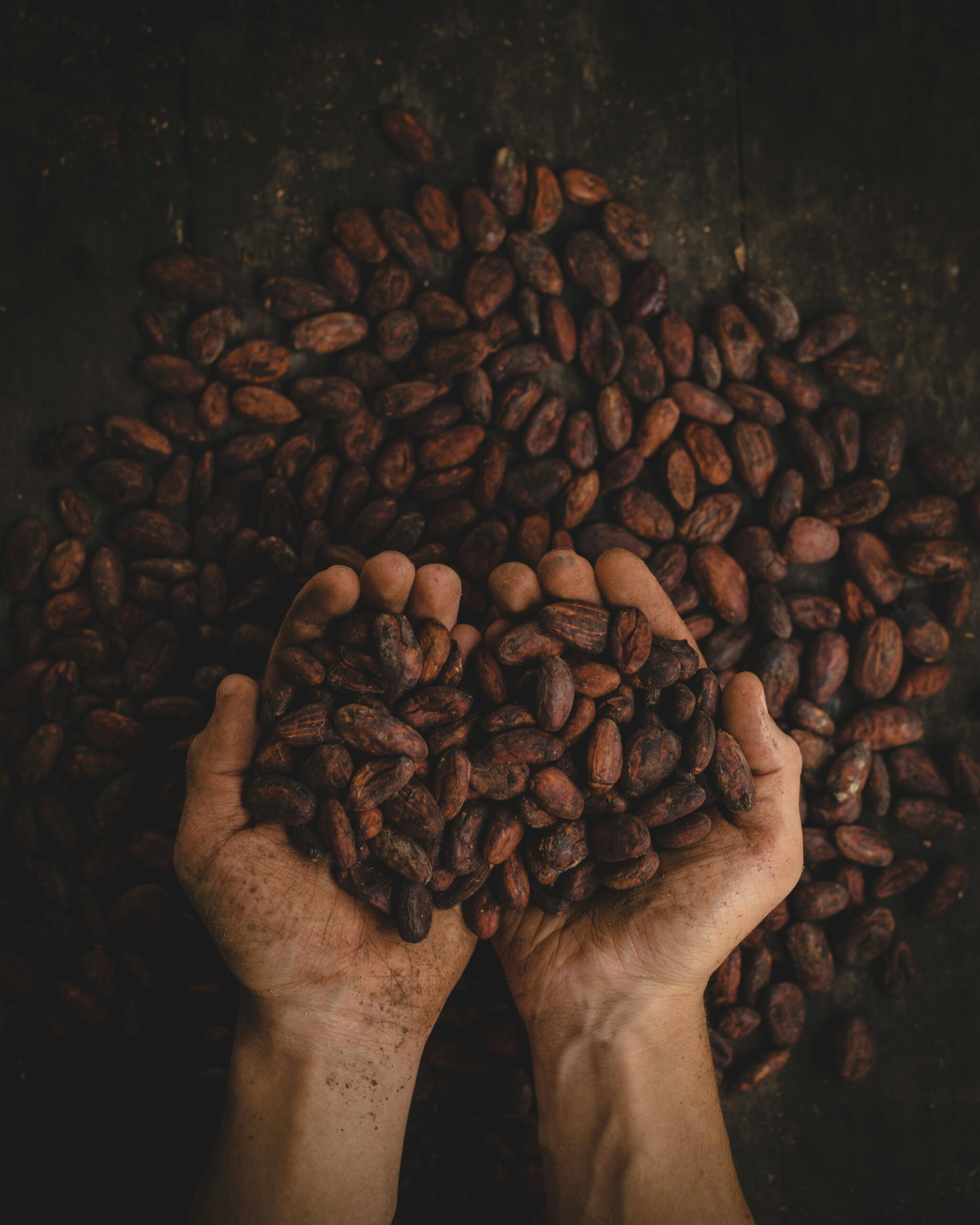
As climate change and disease threaten the future of cacao farming, scientists and startups are asking a radical question: can cocoa be grown in a lab? With global cocoa prices tripling over the past three years—peaking at over $12,000 per tonne in December—traditional supply chains are under pressure. West Africa, which produces around 70% of the world’s cocoa, is grappling with poor farming practices, plant diseases, and increasingly erratic weather.
Lab-grown cocoa, cultivated from plant cells rather than harvested from trees, is emerging as another promising alternative. Companies like Celleste Bio in Israel and California Cultured in the U.S. are developing cell-culture techniques to produce cocoa butter and solids in controlled environments. These startups claim they’ve successfully replicated the taste and texture of dark chocolate—a particularly difficult feat due to its minimal filler ingredients.
Major chocolate brands are backing the movement. Mondelez has invested in Celleste Bio, while Barry Callebaut is partnering with Zurich University of Applied Sciences to advance cell-culture research. Japanese confectioner Meiji is supporting California Cultured’s efforts to bring lab-grown cocoa to market for use in sweets, beverages, and ice cream.
Unlike lab-grown meat, which faces regulatory hurdles and political resistance, cultivated plant cells are cheaper and may face less opposition. No lab-grown cocoa has received approval, and commercial viability is years away.
Experts believe lab-grown cocoa will supplement, not replace, traditional farming, but could help chocolate makers and consumers.
If successful, this innovation could reshape the future of chocolate and pave the way for lab-grown versions of other crops like coffee, offering resilience in a warming world.