Toronto. 11 Feb, Wednesday

The LaForge Family Farm’s Holistic Approach

C

limate change has significant impacts not only on agriculture and food production but also on sustainable farm management. A compelling case study is the LaForge family farm in Saint André, New Brunswick, where self-sufficiency is a guiding principle of their operation

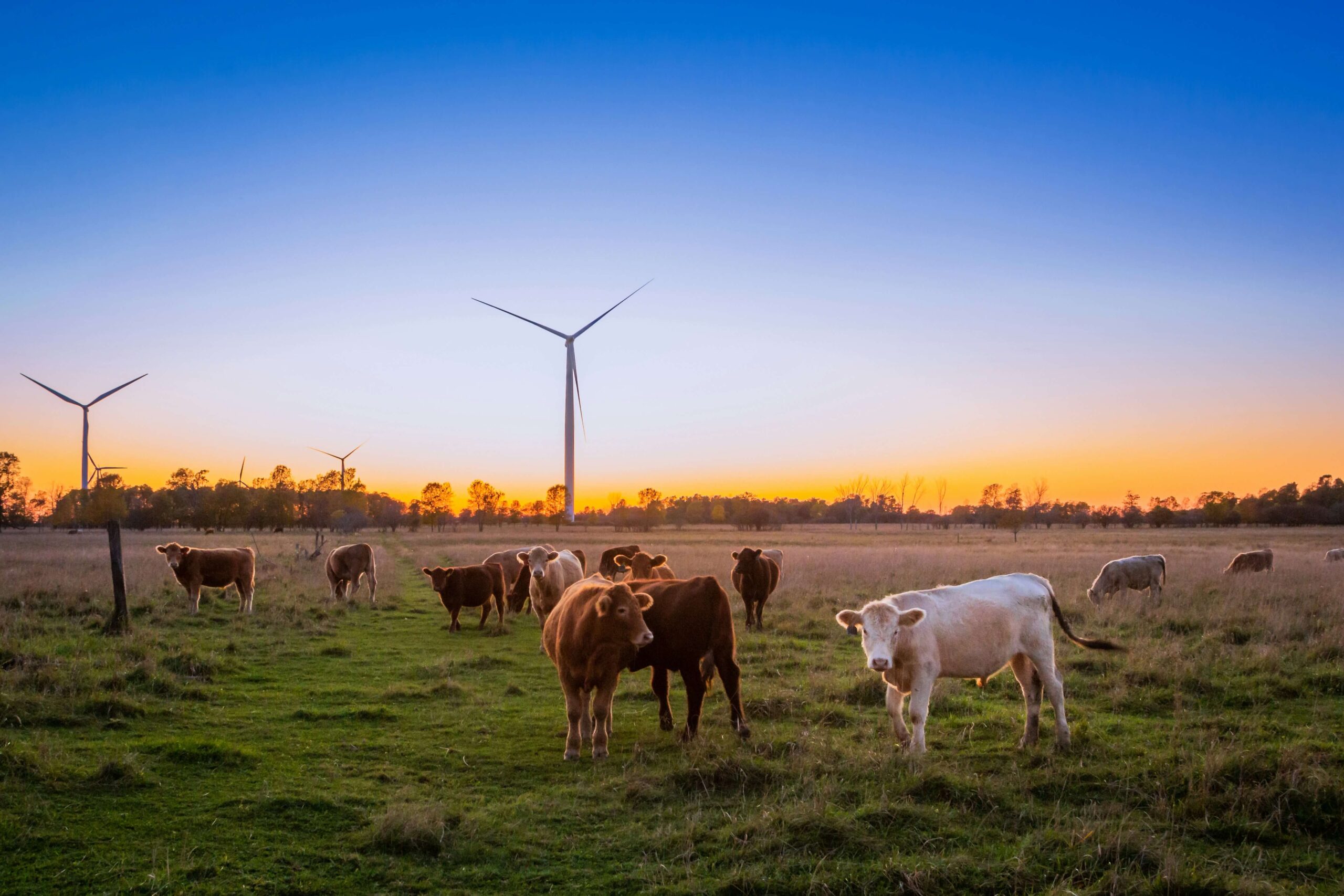
The LaForge farm spans approximately 800 acres, diversifying its crop selection to include barley, canola, hay, and straw, alongside a herd of over 100 purebred Holsteins (cows). This blend of crop and livestock farming illustrates sustainable agricultural practices that bolster the local economy while fostering ecological stewardship. The family’s commitment to managing biological waste through LaForge Bioenvironmental Inc. and LaForge Holsteins Ltd. exemplifies how circular economies can be established in agriculture. By transforming food scraps and manure into by-products like biogas and digestate, the farm reduces waste, generates energy, and creates nutrient-rich fertilizers that support crop production.

The process starts with collecting raw waste, which undergoes anaerobic digestion in large holding domes or digesters. Over 21 to 28 days, organic matter ferments to produce biogas—primarily methane. Notably, the farm converts this renewable energy source into electrical power, supplying over 1,000 households in New Brunswick. This highlights the economic benefits of innovative waste management—providing an additional revenue stream while addressing waste disposal and greenhouse gas emissions.

The digestate remaining post-digestion functions as a valuable resource for the farm. It is applied to fields as a sustainable fertilizer that enriches the soil and promotes biodiversity. For over a decade, the LaForges have effectively integrated digestate into their nitrogen management practices.

However, climate change presents challenges that complicate the logistics of applying this nutrient-rich resource. They observed an increased weather variability, particularly excessive rainfall that disrupted planting and harvesting schedules. Such weather extremes threatened crop yields and hindered soil quality management, posing risks of long-term degradation

In direct response to these challenges, the LaForge family collaborated with the New Brunswick Soil and Crop Improvement Association (NBSCIA) through the On-Farm Climate Action Fund (OFCAF). This initiative promotes sustainable practices that allow farmers to mitigate carbon emissions and adapt to climate change, particularly through advancements in nitrogen management, cover cropping, and rotational grazing. It underscores the importance of government policy in facilitating sustainable agricultural innovations leading to reducing greenhouse gas emissions in the food sector.

Effective government policies create the framework within which sustainable practices can thrive, promoting initiatives that prioritize food security, economic viability along with environmental stewardship. For instance, financial support for farmers encourages the adoption of innovative technologies, as seen in the case of the LaForge family, which enhances sustainable practices such as reducing resource consumption and waste. 

Programs such as the On-Farm Climate Action Fund (OFCAF) are essential in driving these changes. They provide necessary capital for farmers to implement practices such as nitrogen management, cover cropping, and improved waste management. This not only helps to lower greenhouse gas emissions but also supports farmers in adapting to the changing climate. Well-directed government funding can alleviate the financial burdens often faced by small to mid-sized farms, enabling them to invest in sustainable practices that would otherwise be financially prohibitive.

For the LaForge family, the future is firmly planted in sustainability. Their efforts exemplify how modern agricultural practices can be both environmentally responsible and economically viable if supported by governmental financial support. By integrating innovative technologies and sustainable finance, they craft a farming model capable of withstanding climate change pressures while ensuring food security for future generations. 

YOU MAY ALSO LIKE